

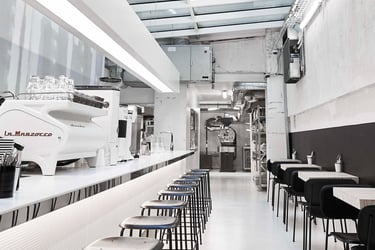
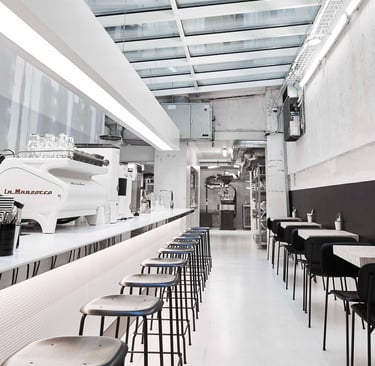
Back in Black Coffeeshop
Paris
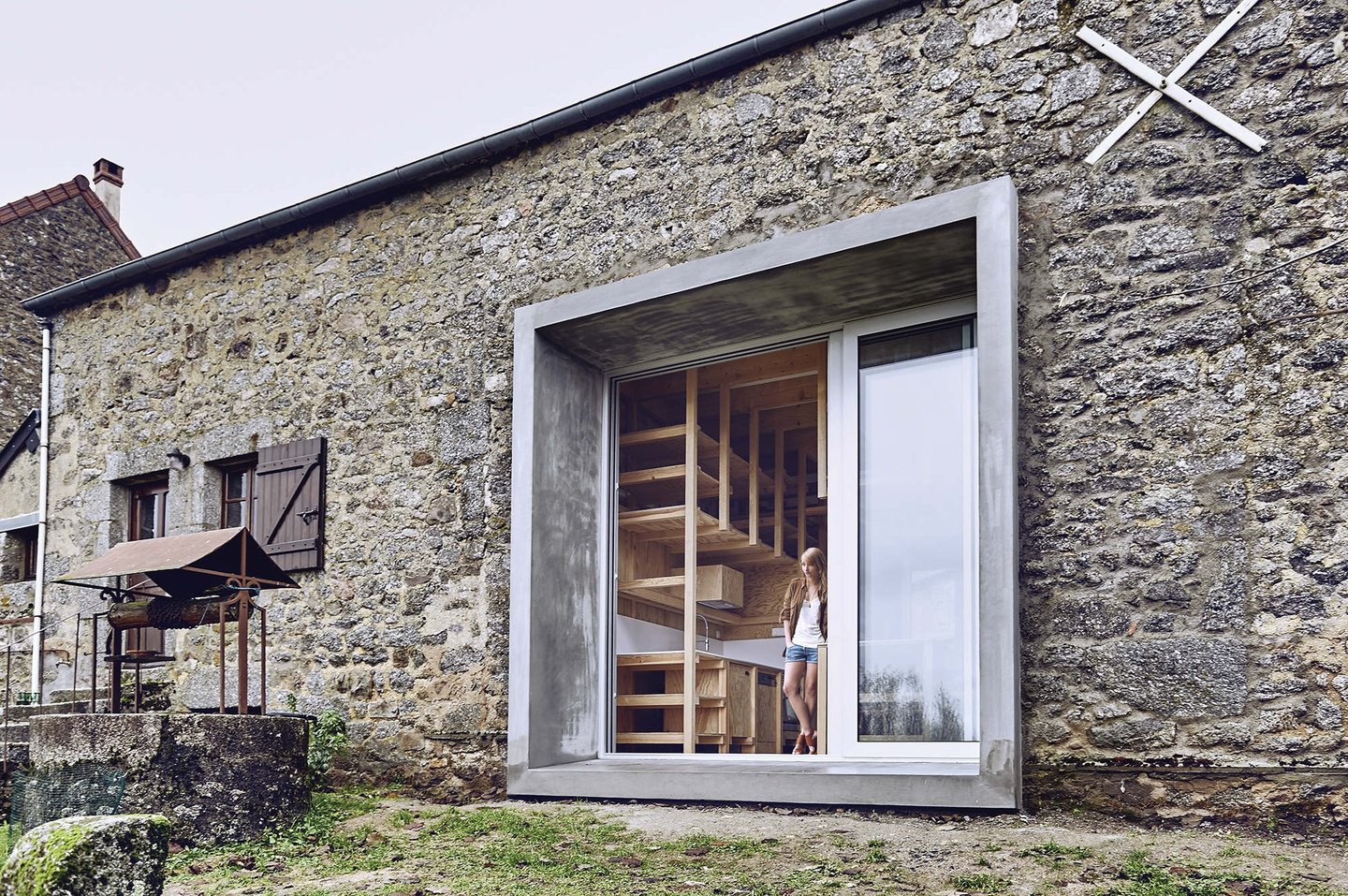
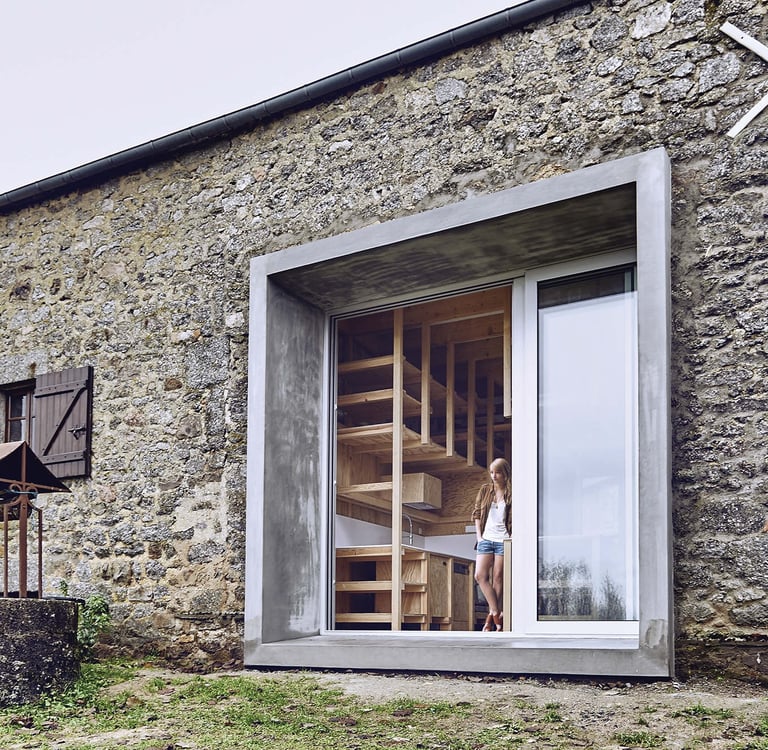
C House
Lormes, France
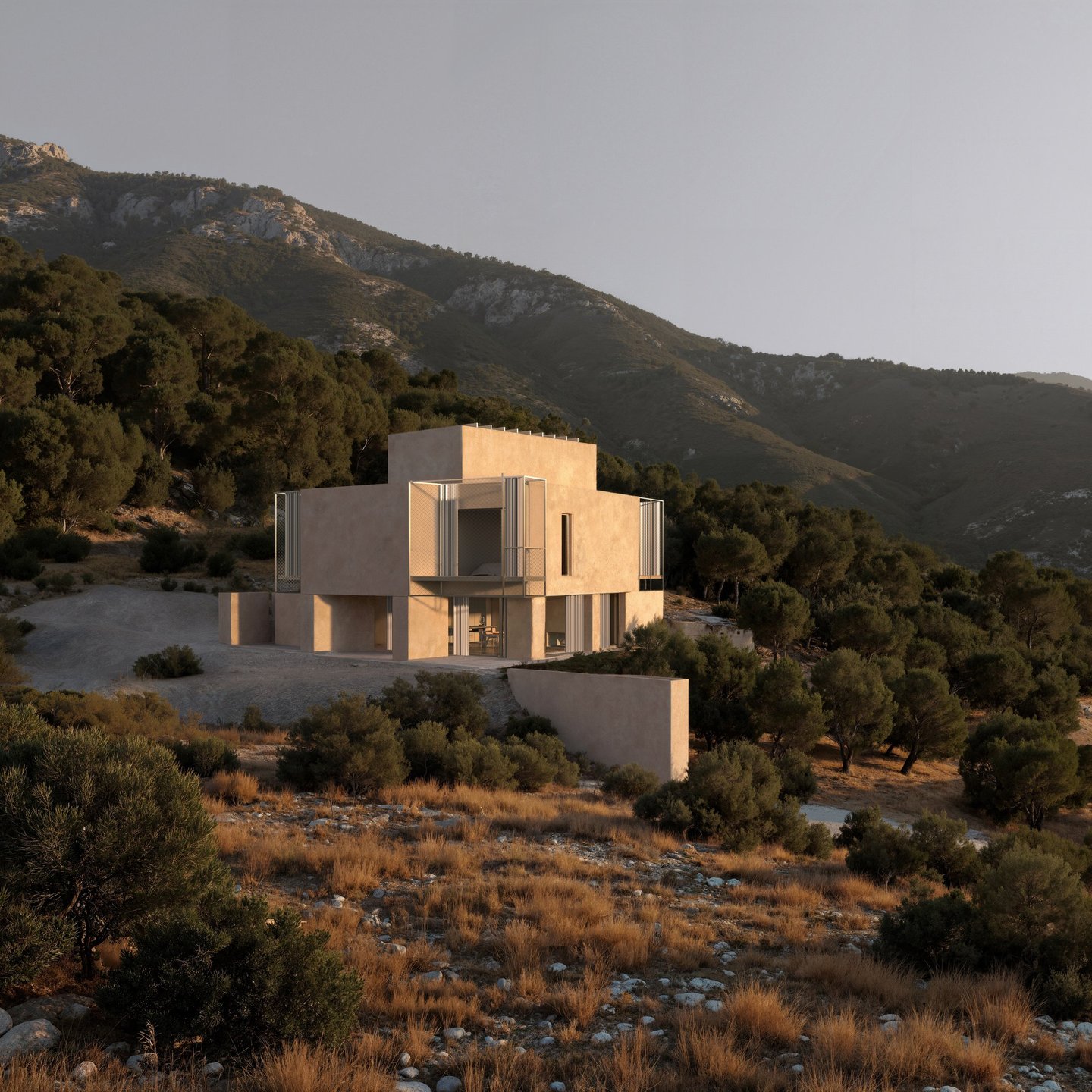
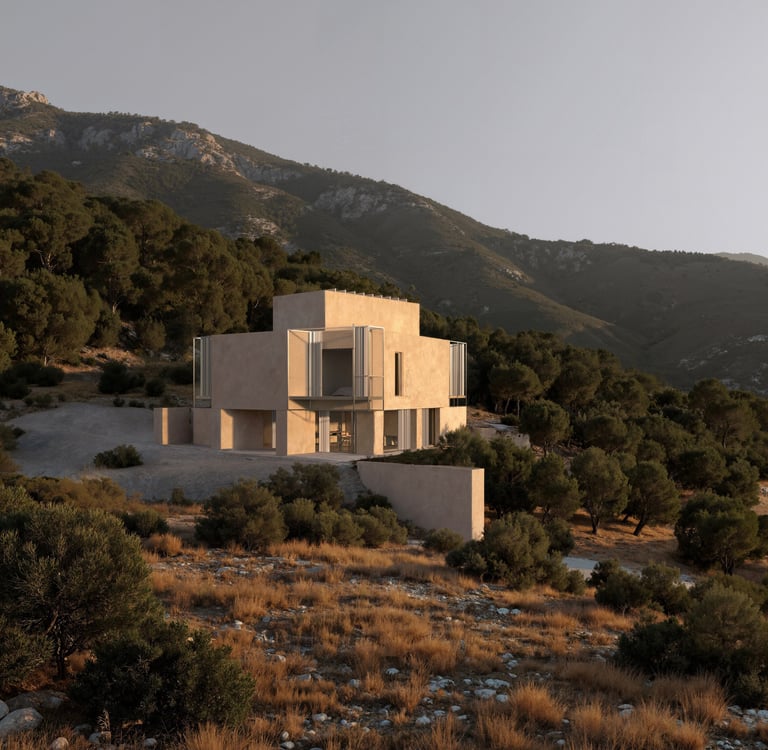
W House
Lefkada, Grèce
G House
Tarnos, France
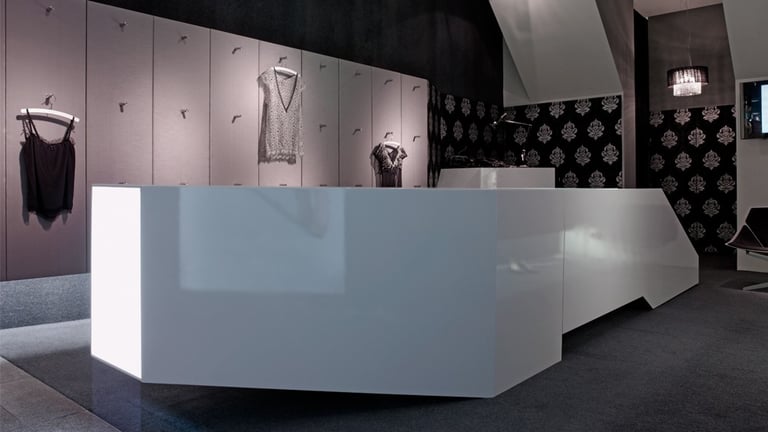
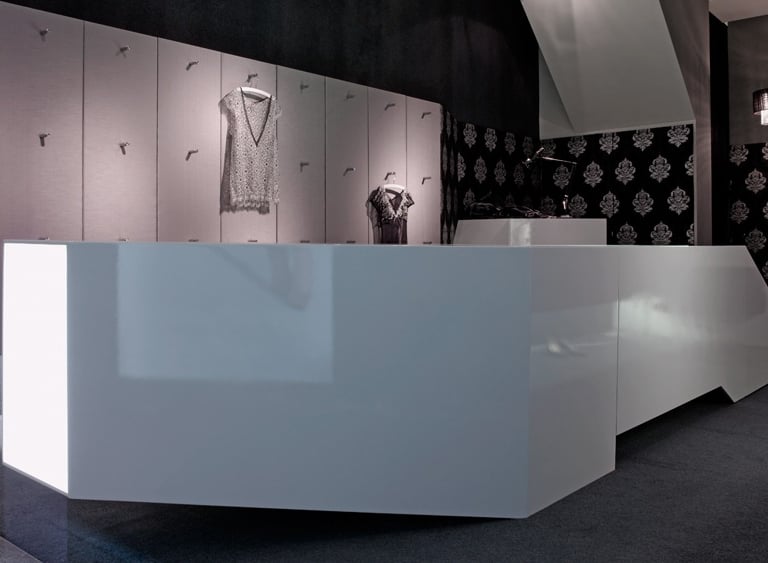
Boutique
Sydney
STUDIO MINNAERT
ARCHITECTURE | ART INSTALLATION
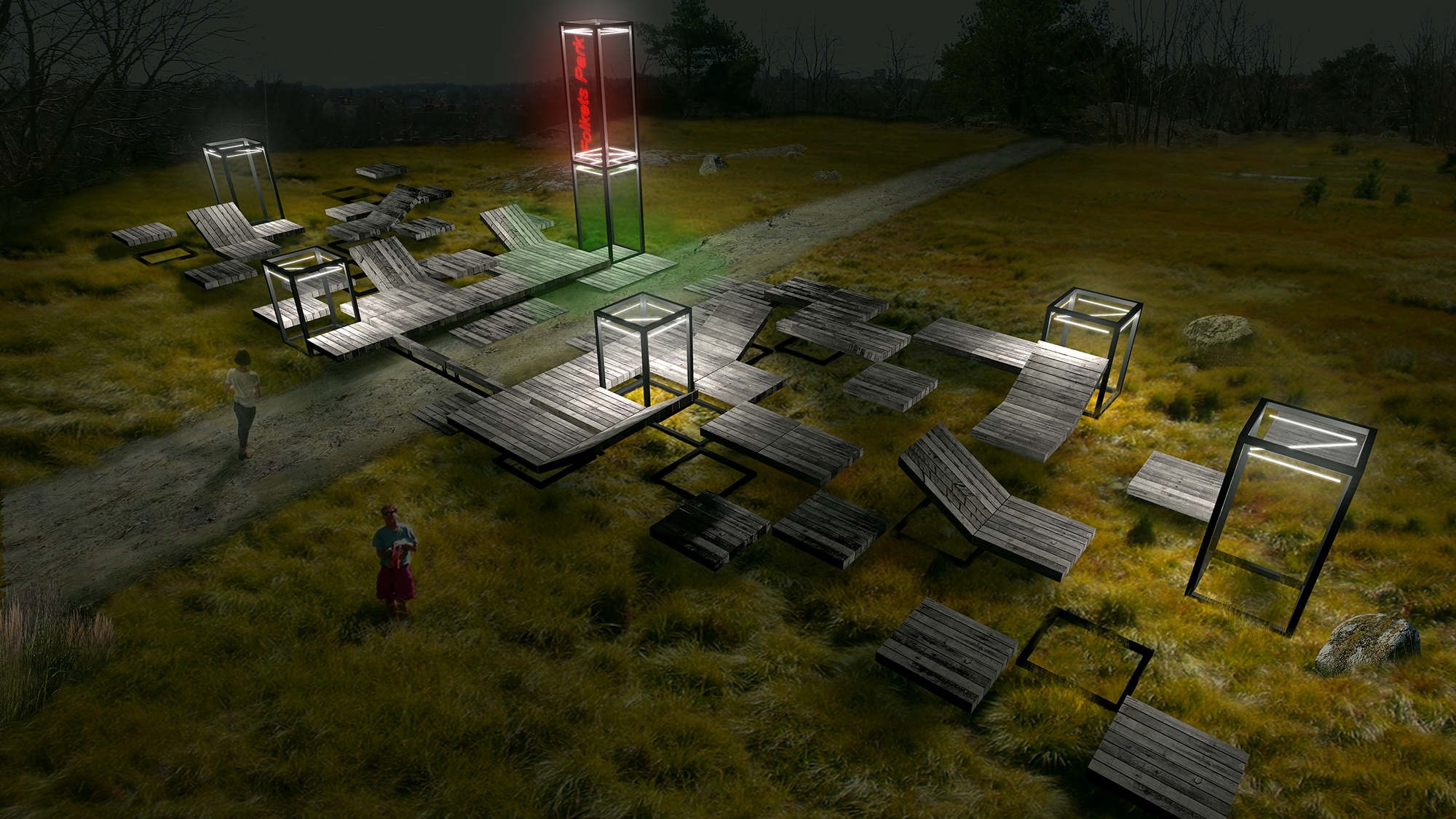
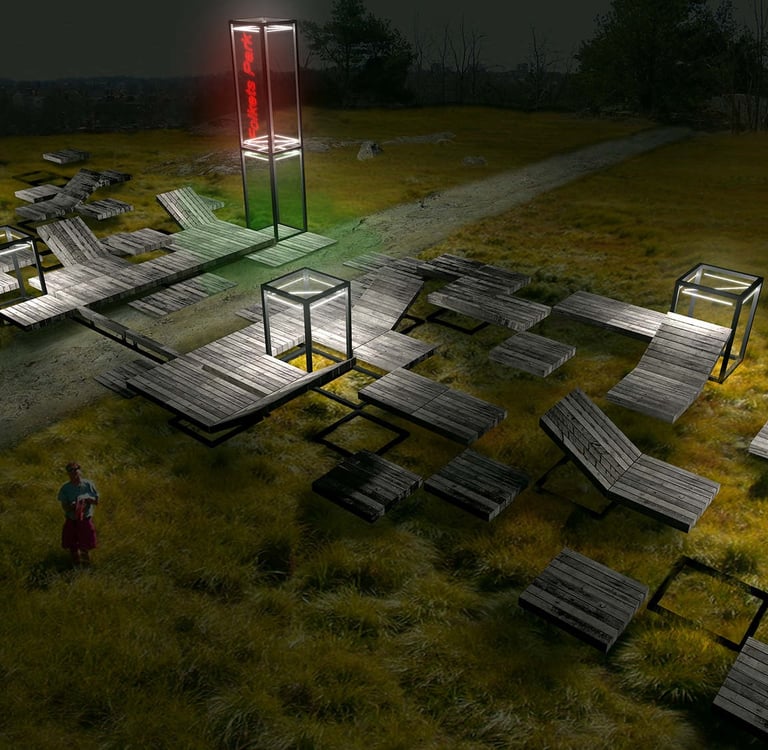
Jardin public
Järfälla, Suède
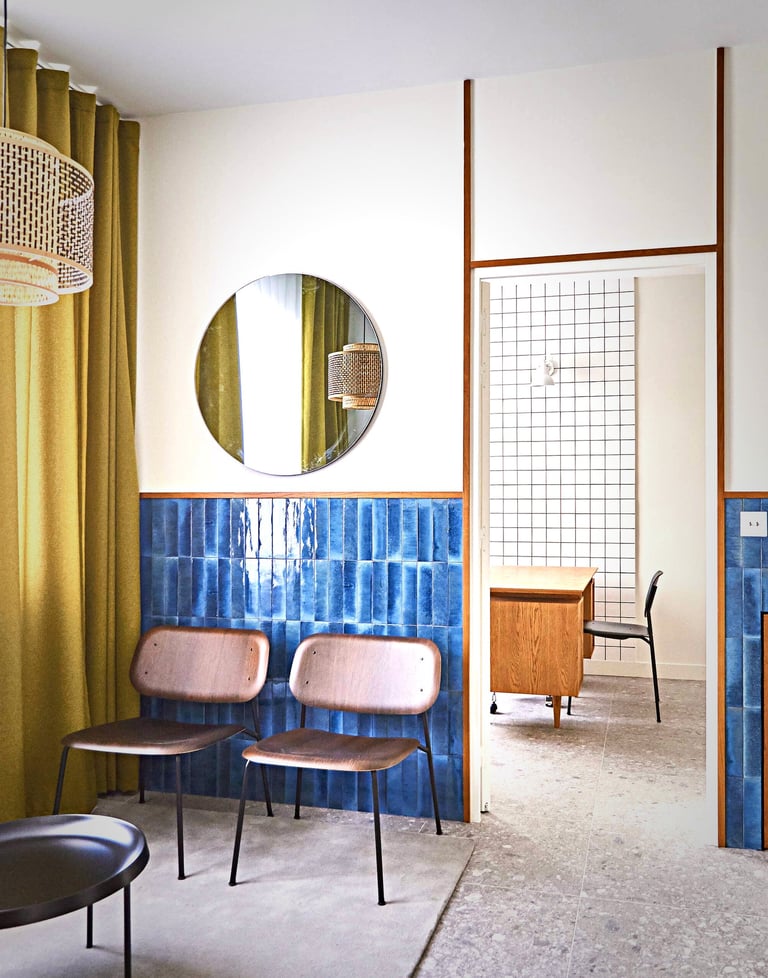
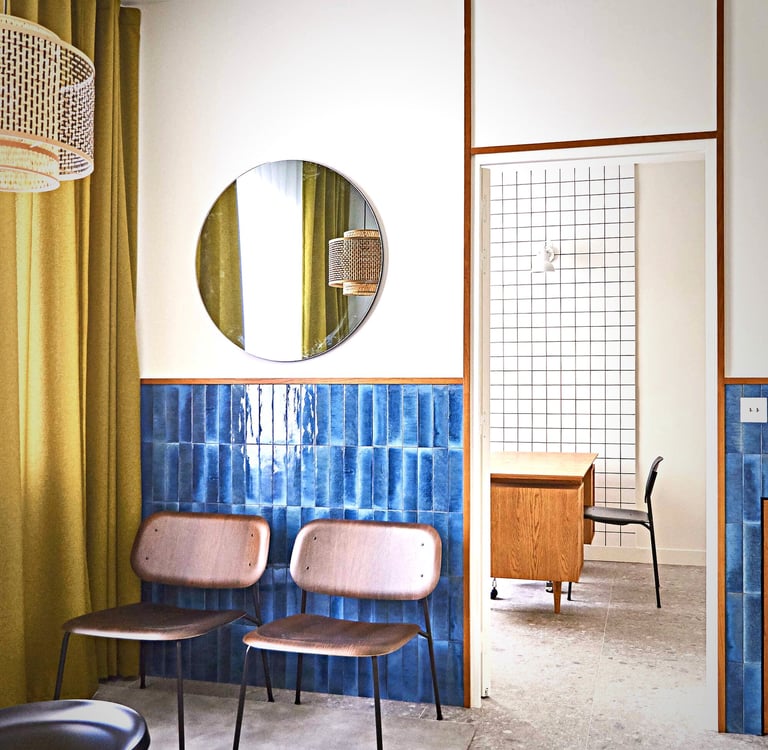
Cabinet médical
Paris
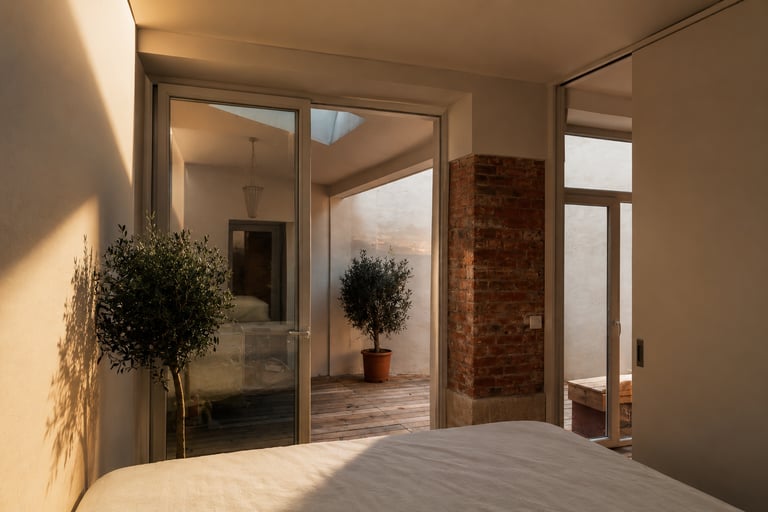
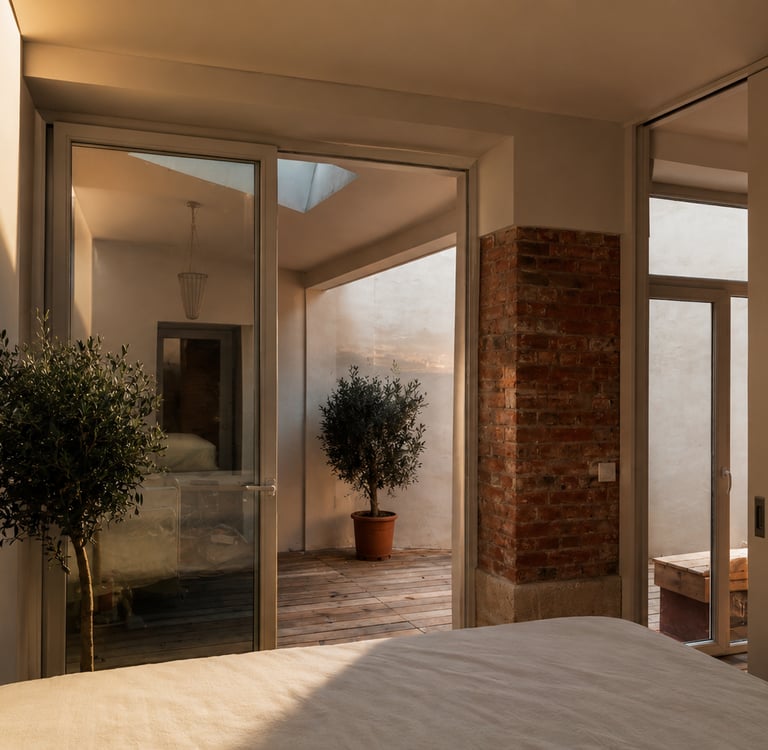
Appartement #122
Paris
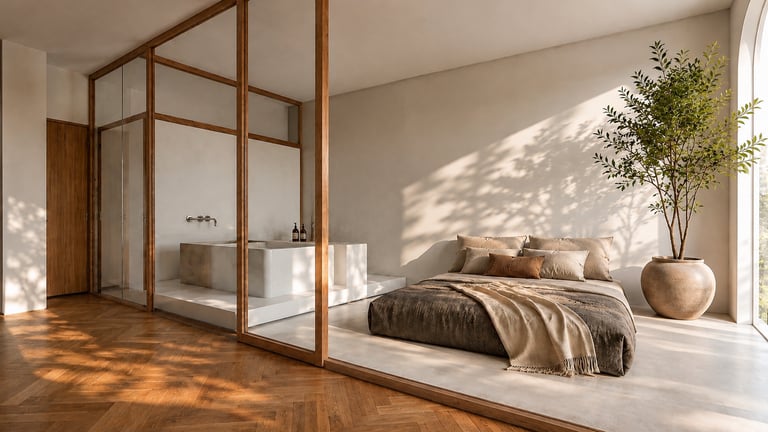
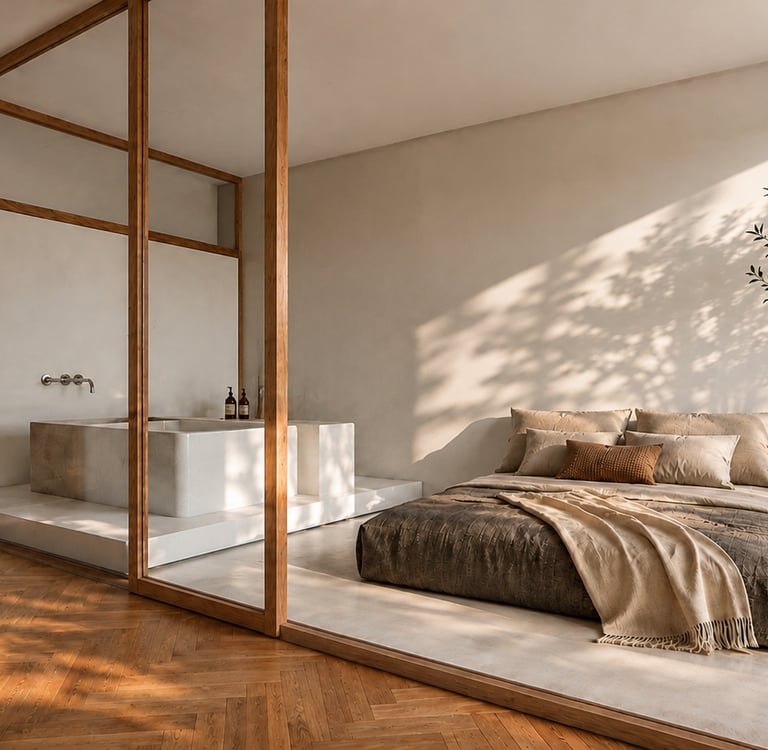
Appartement #110
Paris
Appartement #7
Paris
Centre d'hébergement nomade
Paris
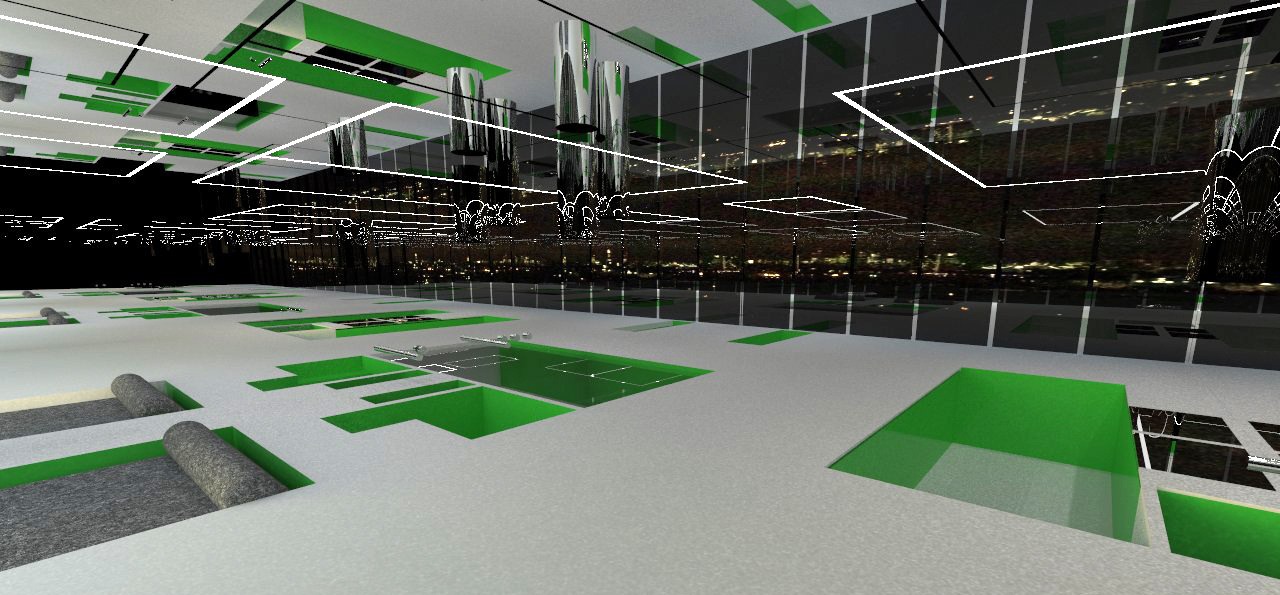
Deep slab
Moris restaurant
Vendôme
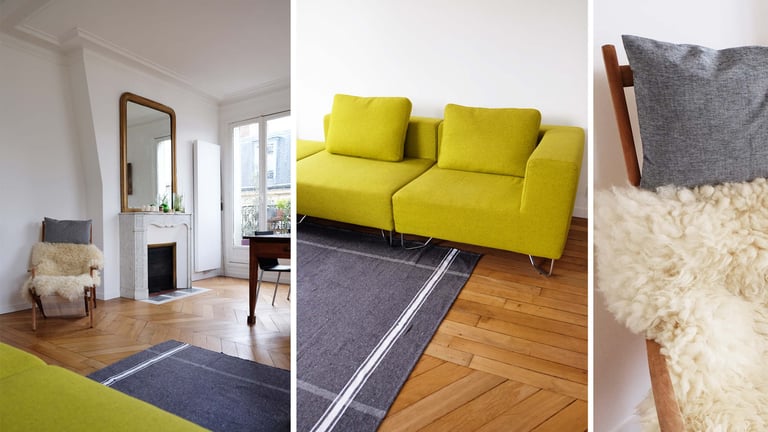
Appartement #115
Paris
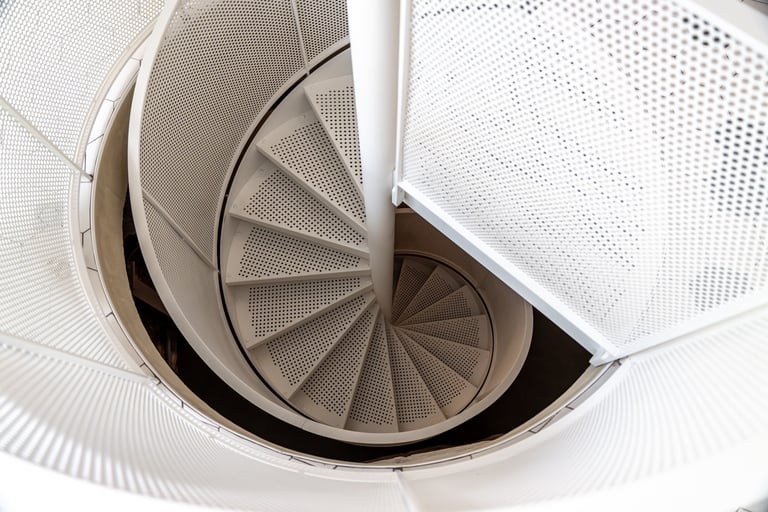
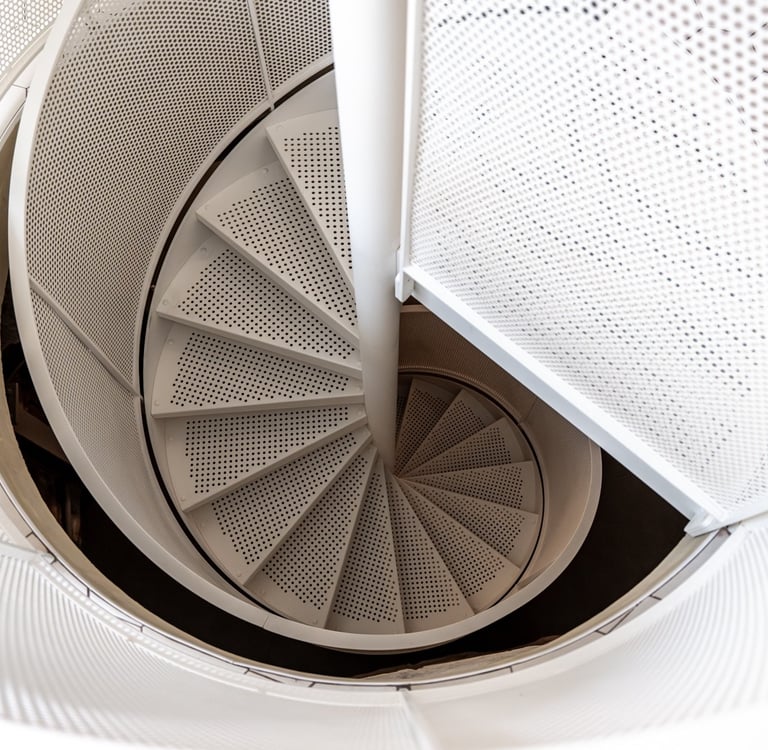
Atelier et Showroom
Paris
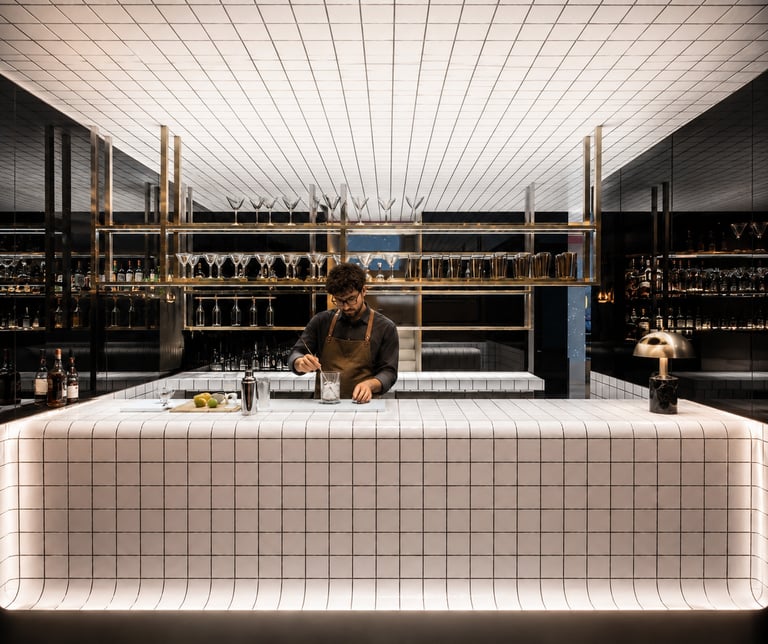
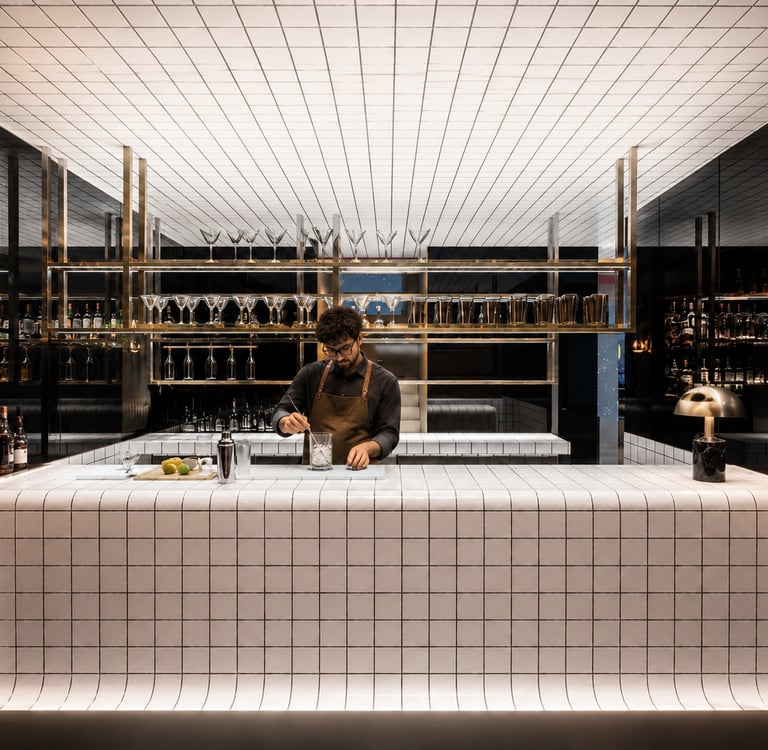
Moris restaurant II
Vendôme, France


Jardin Pont Neuf
Paris
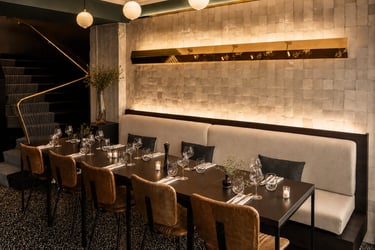
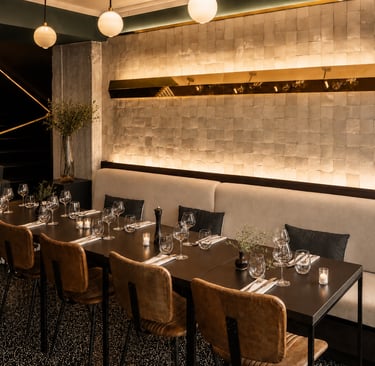
Ontario apartments
Chicago
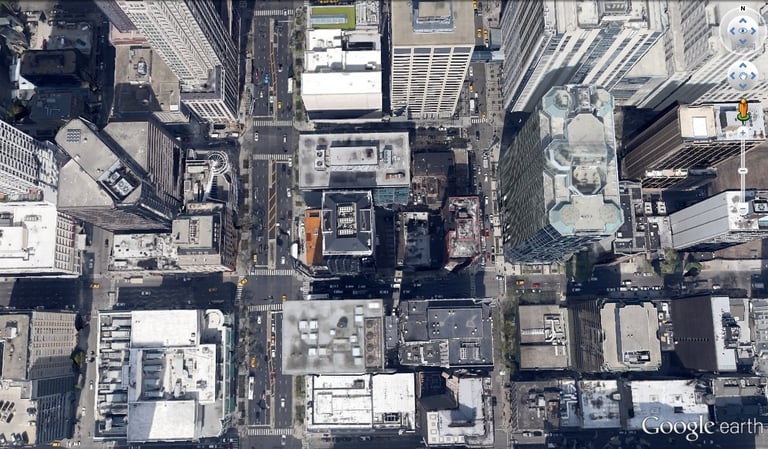
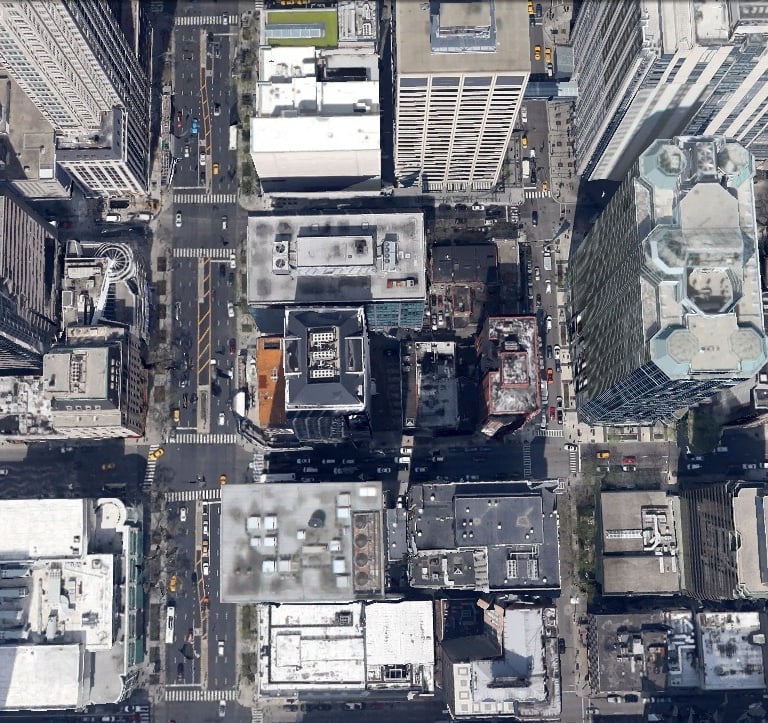


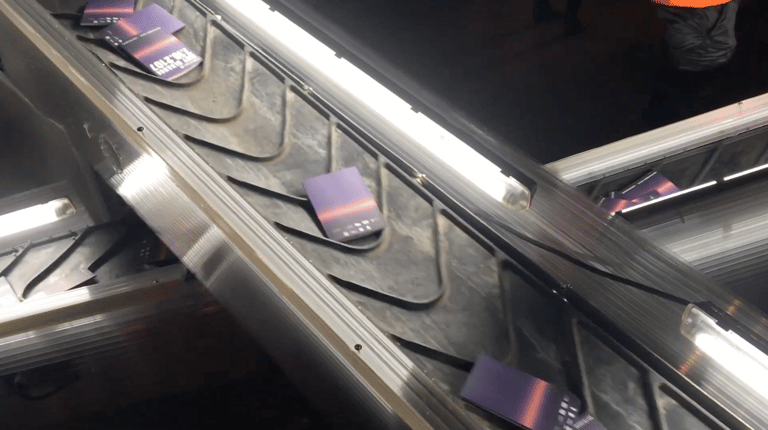
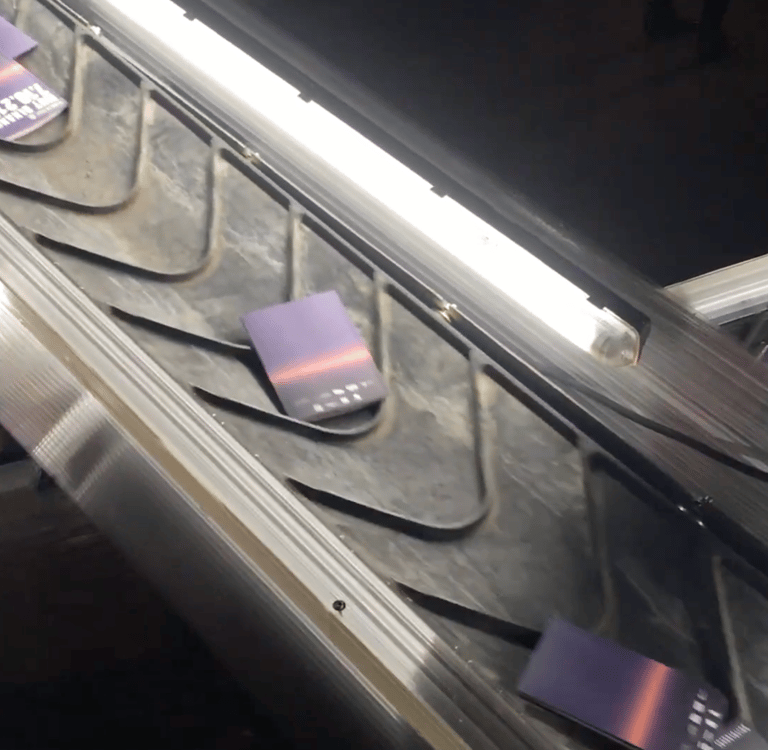
Nuit Blanche
Paris
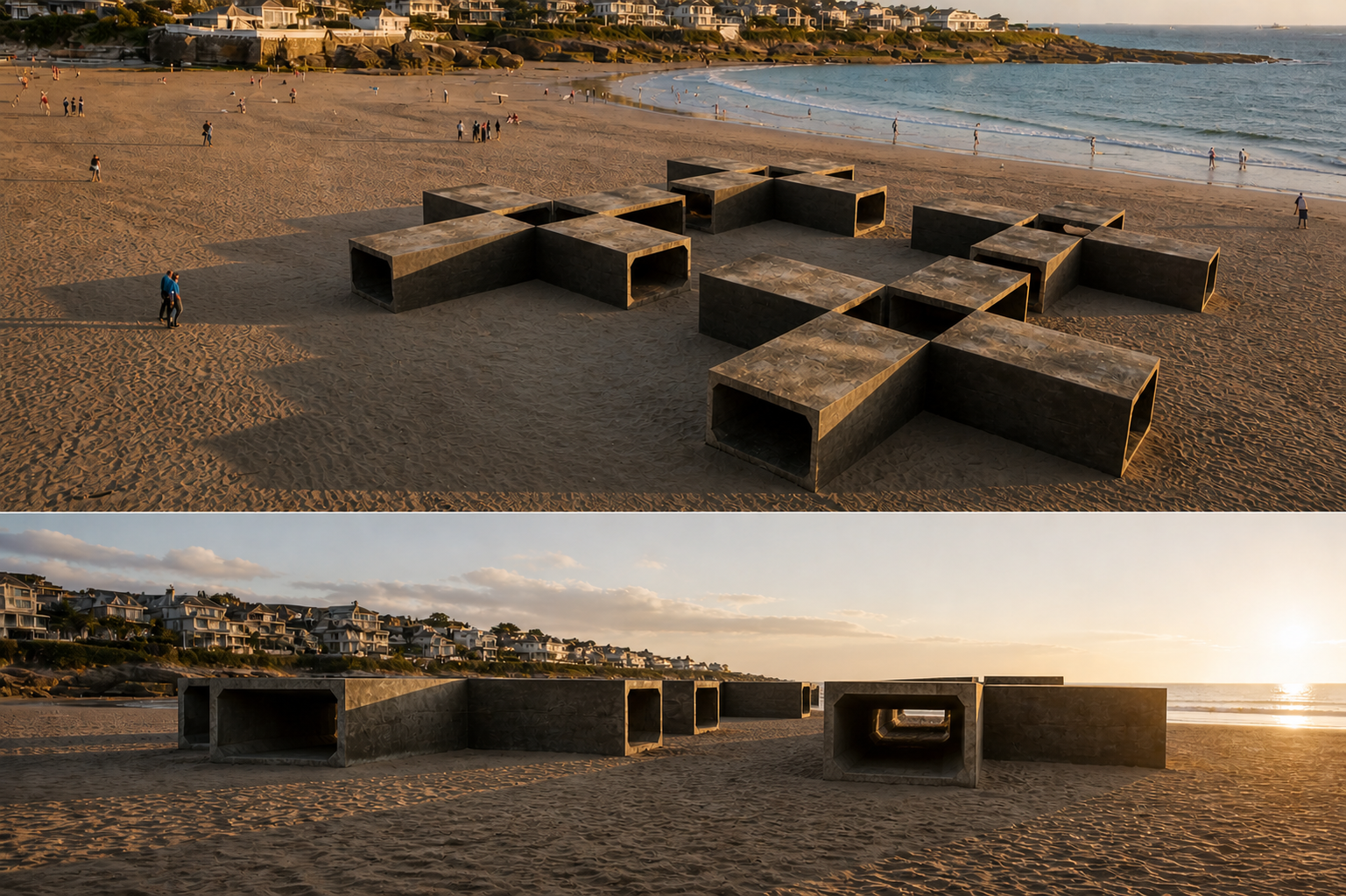
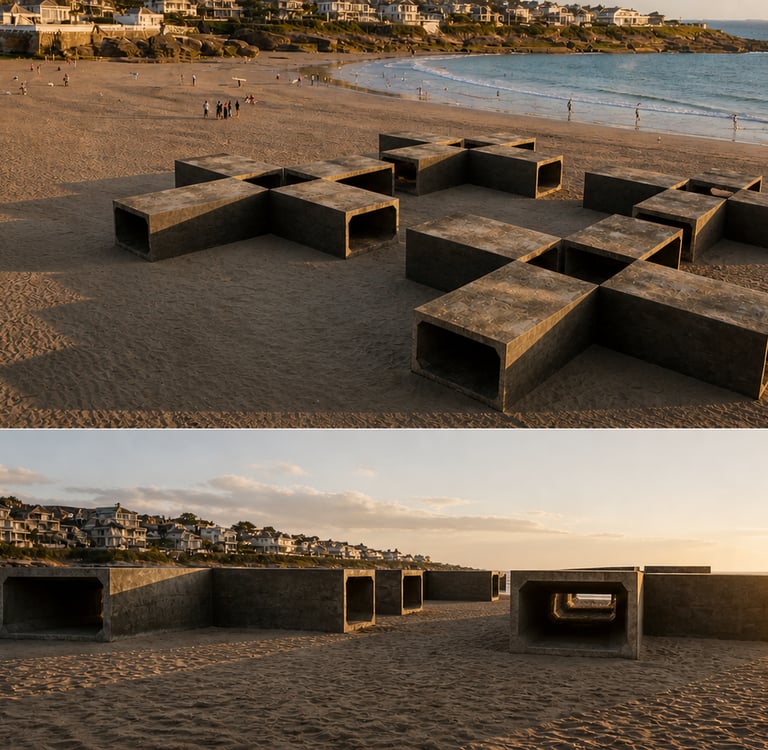
Crossing | Land art Installation
Sydney
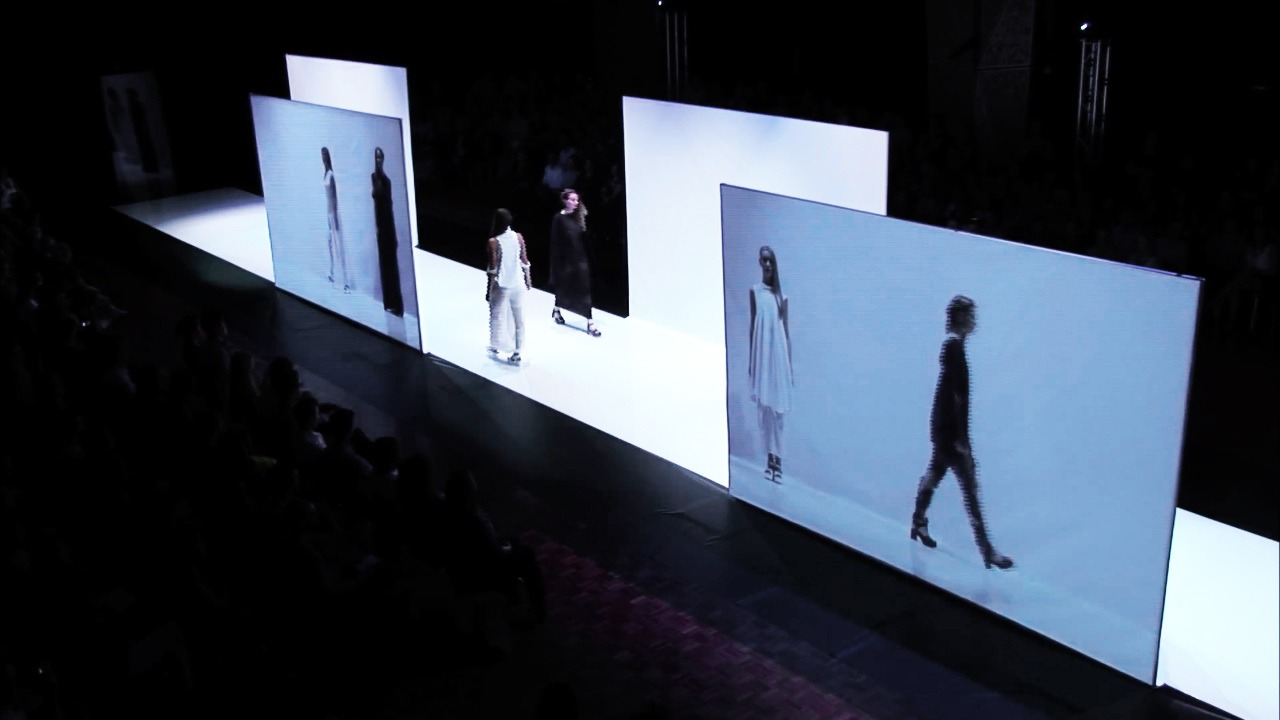
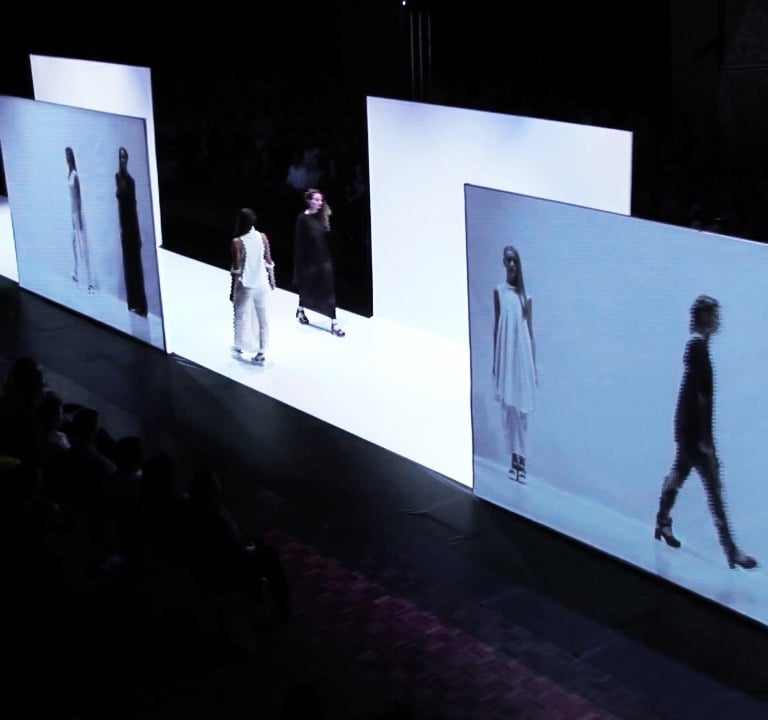
Fashion show
Sydney
STUDIO MINNAERT
ARCHITECTURE | ART INSTALLATION
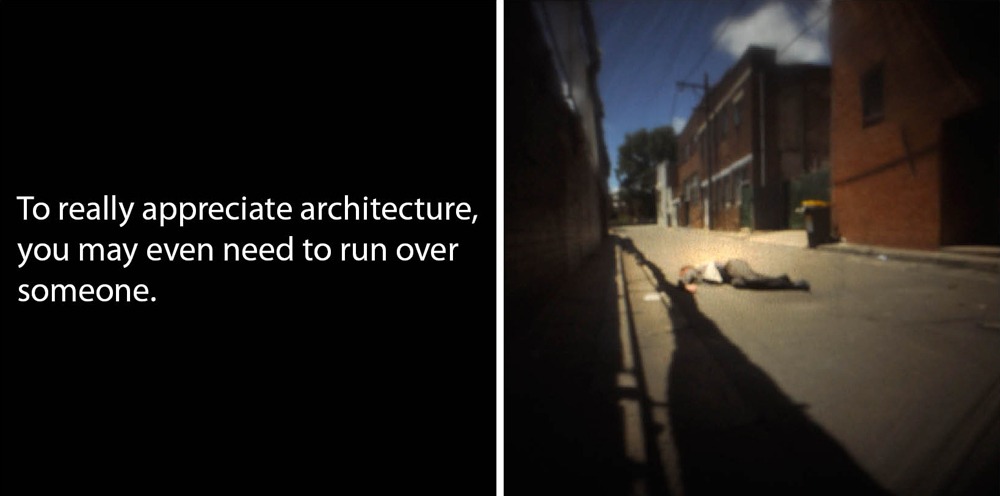
You wanted a murder | Performance
Sydney
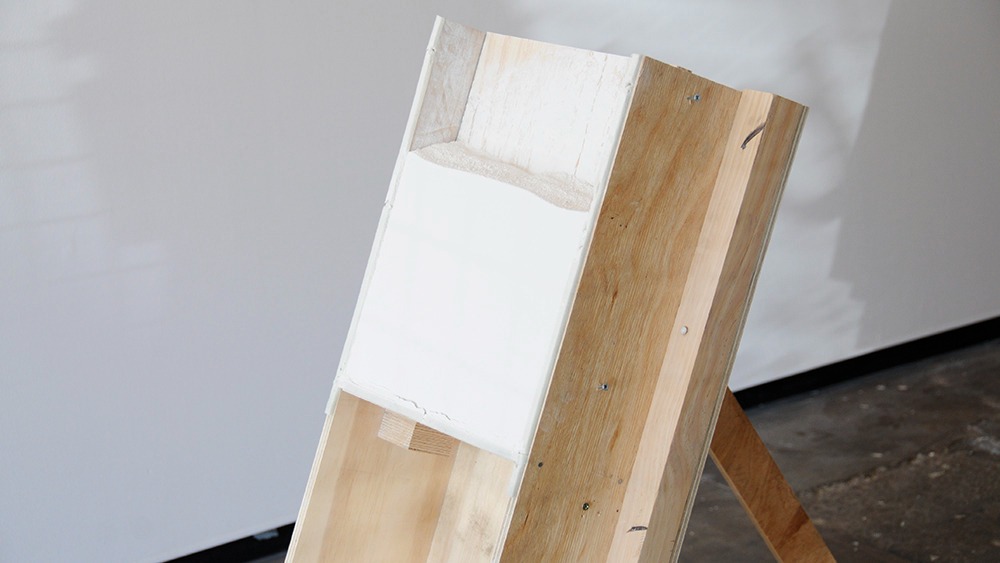
Outbound
Sydney
Index
Sydney
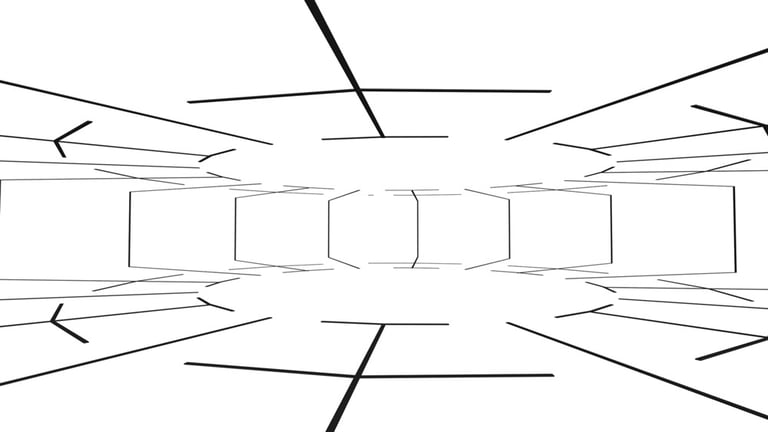
Echoed boundaries
Sydney
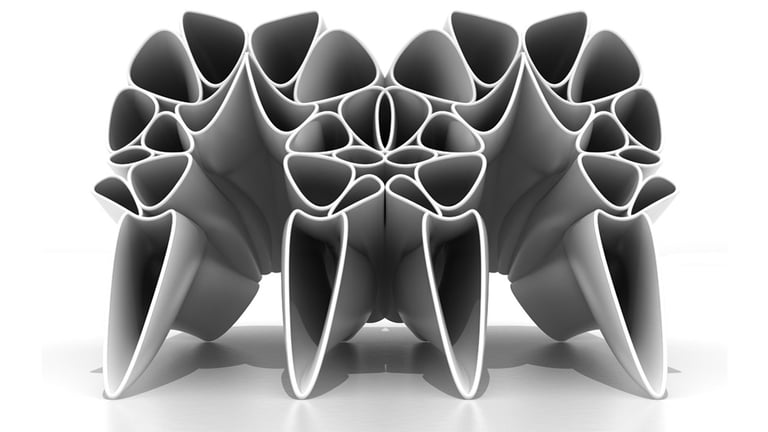
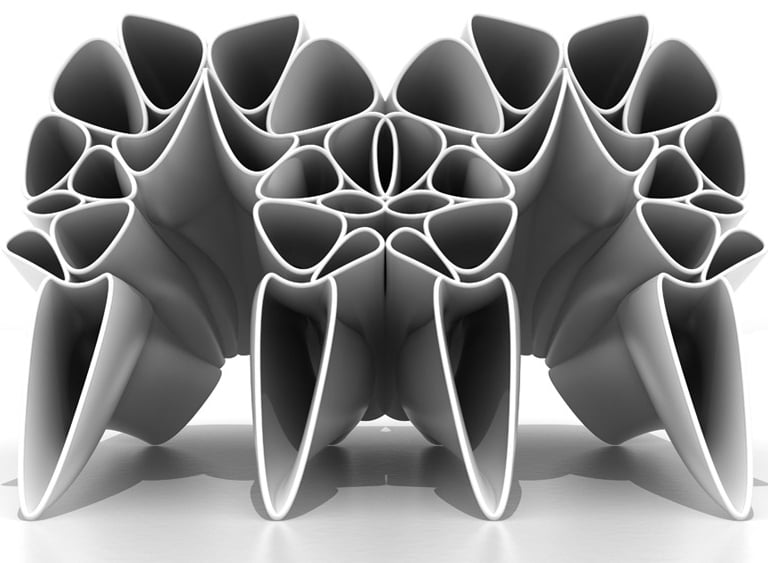
Biennale d'architecture
Venise
Transclimatic | Exposition
Sydney
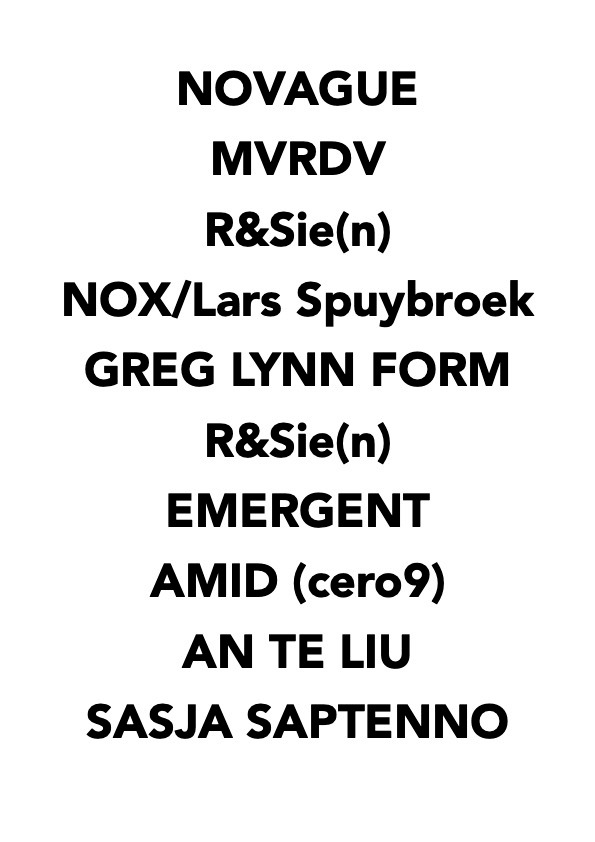
Frank Minnaërt est un architecte et enseignant franco-australien.
Il a été Maître de Conférences pendant 7 ans jusqu’en 2013 à la UTS School of Architecture à Sydney.
Depuis 2013 il enseigne à l’Ecole d’Architecture de Paris-Malaquais | PSL comme Maître de Conférences.
Frank a créé son studio en 2006 à Sydney et à Paris en 2014, opérant dans de multiples champs: architecture, intérieur, installation, commissariat d’exposition. Il a reçu plusieurs récompenses et ses projets sont publiés et exposés à l'international (Biennale d’Architecture de Venise, Quadriennale de Prague, Quadriennale de Gwangju...)
Programme augmenté Au-delà des usages standards, l'invention programmatique reconstruit l'espace et le temps, explore des formes sociales et culturelles, et s'ouvre à l'installation artistique.
Règles Le projet repose sur un processus clair, progressif et réversible, organisant ses paramètres fondamentaux : programme, site, matériaux, structure, enveloppe, sens, lumière et atmosphère.
Défamiliarisation La démarche spéculative réinterroge les évidences et réinvente la définition, le rôle et les relations des composants architecturaux.
STUDIO
OBJECTIFS
PROCESSUS
Problématique Le projet naît d'une recherche produisant des questions, du pragmatisme à des enjeux plus existentiels. Il est la manifestation d'une posture intellectuelle articulant signification et qualité de l'expérience.
Rapport au monde Le projet s'implante de manière raisonnée dans son site, en intégrant climat, sol et écosystème local. Savoir-faire, matérialité, paysage et terroir sont des leviers essentiels.
Assemblage La conception articule structure, enveloppe et détails selon une logique organisationnelle lisible, via un modèle itératif (objectif / test / évaluation / ajustement) intégrant culture et fabrication.
Matière La stratégie constructive est indissociable de la conception. Dès l'origine, les matériaux sont identifiés et tracés, développant une culture matérielle rigoureuse jusqu'au chantier.
PROJET
PROJET


PRESSE
MAGAZINES
AUS
ARCHITECTURE AUSTRALIA #98 (Nov/Dec 2009) p.29-30 "Transclimatic"
ARCHITECTURAL REVIEW #108 (2008) p. 50-51 "A different pitch 2008"
ARCHITECTURAL REVIEW #105 (2008) p.142-144 "Power of 1o"
ARTICHOKE #23 (2008) p.24 "Scope/Sydney"
CURVE #25 (2008) p.18 "Forms from the land of plenty"
DAS SUPERPAPER #23 (May 2012) p. 32-33
DESKTOP #227 (2006) p.24-28 "Profile"
DQ #30 (2008) p.75 "Flirting with Desire / Features: Lingering Looks"
INDESIGN #27 (2006) p.40 "Creating front spaces"
(INSIDE) #51 (2008) p.103 "Retail: Lot 28", p.112 "Emerging designer"
(INSIDE) #44 (2006) p.154-155 "Concept / Winner 2006"
(INSIDE) #43 (2006) p.137 "Concept / Shortlisted"
LANDSCAPE #112 (2006) p.14 "Not In My Backyard"
LINO #17 (2007) p.48-49 "My way"
MONUMENT #89 (feb/march 2009) p.14 "Out there and beyond"
SDQ #24 (2006) p.14, "Front yard transformed"
VOGUE Living #12 (2006) p.111, "Hard yards"
UK
ENKI #March 2020 p.67 "Hide it"
INSTYLE #October 2016 p.52
NATURE #455, Number 7210 (11/09/08) p.171, "Building from the environment"
FR
MARIE CLAIRE #265 (mars 2026)
D'ARCHITECTURES #281 (juin 2020) p.15
TECHNIQUES & ARCHITECTURE #467 (2003) p.80-87 "Paris: Métrople 1"
AMC #66 p.10 "Kiosque"
A+U #17 p.6-7
NEWSPAPERS
LE MONDE #10/09/15 / Le Monde Festival No 21974 p.14
TIMES OF MALTA #05/11/16 Design Dialogues - Malta Design Week
THE AUSTRALIAN #04-5/10/08 / Review / Arts p.16-17
SYDNEY MORNING HERALD #06/06/06 "Fronting Up"
EXHIBITION CATALOGUES
VENICE BIENNALE 2008, "ABUNDANT", p.108-109
TRANSCAPES, ARTIFICIAL NATURE 1_Digitally mediated environments
454 PROJECTS FOR PARIS 2012, International Architectural Competition for the Olympic Landmark in Paris", Ed. du Pavillon de l'Arsenal, Paris, 2004
PETITES MACHINES A HABITER - 2ème FESTIVAL, Ed. du CAUE de la Sarthe, Le Mans, 2005
RADIO
SBS Australia- Interview (30/07/09)



PUBLICATIONS
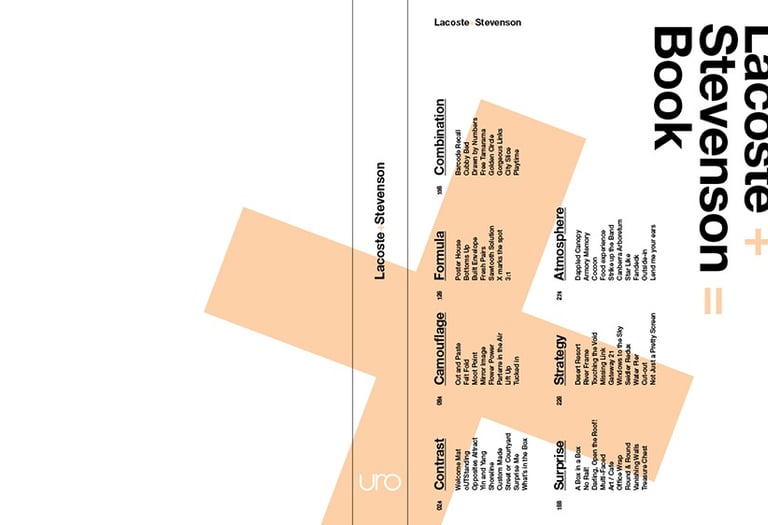
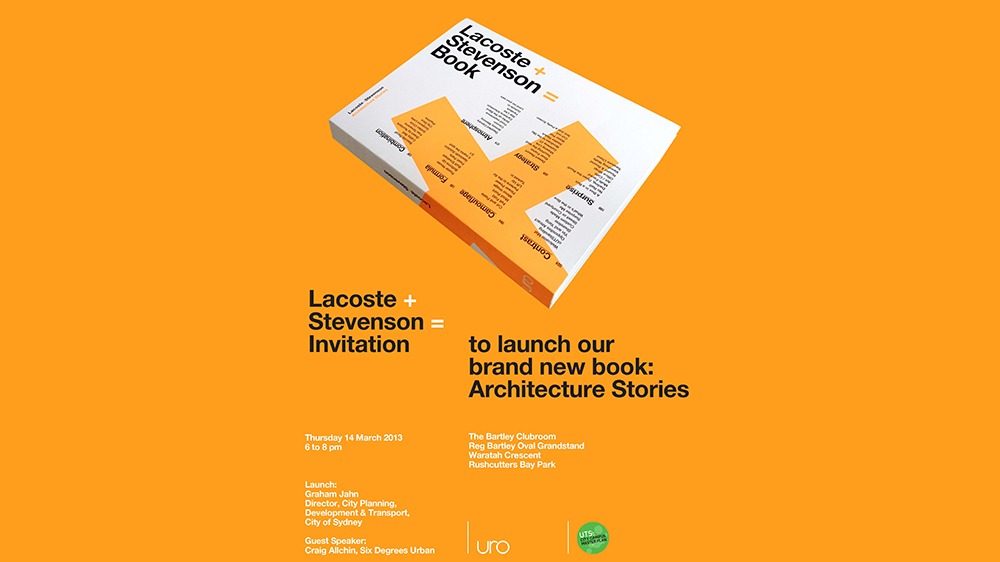
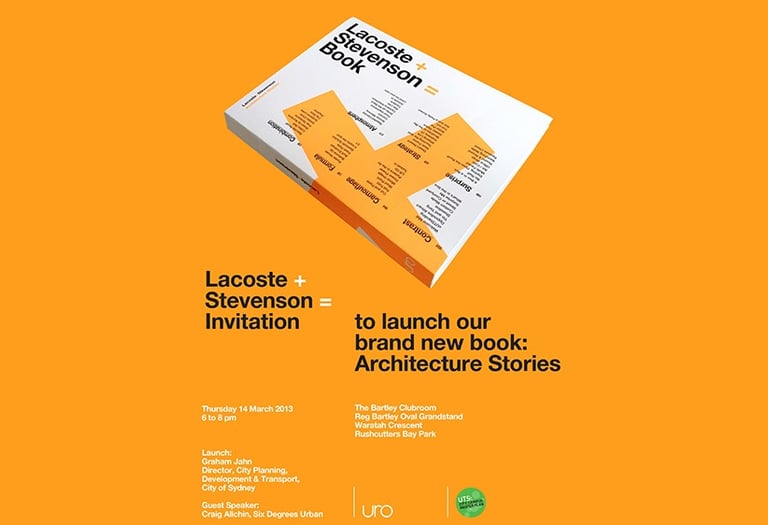
Architecture Stories
Préface de:
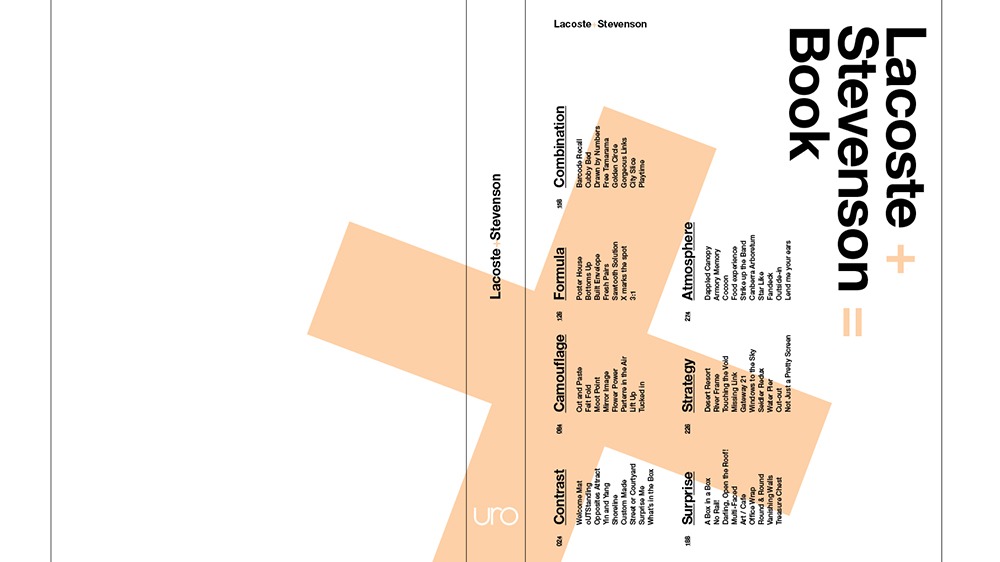
Architecture Stories / Lacoste + Stevenson = Book, Uromedia editor, Melbourne, 2012
ISBN: 978-0-9872281-2-3
The preface examines the historical and ideological background of the team ‘Lacoste and Stevenson’ which comes from a generation of young European architects whose work has been promoted by the politics of open idea competitions supported by public institutions. Idea design competitions play a crucial role within architectural debate, encourage a turnover in the way the right to speak and build is distributed within the profession. Its condition of possibility is to embrace a culture of speculative thinking, uncertainty and self-criticism. A common practice in Europe that is, unfortunately, rare in Australia. This cultural heritage has formatted their design approach today.
The thesis of the preface is that Idea not only qualifies a particular type of design competition as a modus operandi helping to grant access emerging practices to the architectural scene but should also be understood in a specific way: idea as a cause as when architecture was a ramification of a larger social project. Lacoste and Stevenson’s agenda focuses on the design of conditions for architectural projects to operate as a social device rather than an object for contemplation.
In order to implement their multi-faceted socio-political agenda Lacoste and Stevenson’s privileged strategy is an in-depth speculation on a series of factors: typologies, limit, density, identity and social interaction. A majority of their projects is about inventing new types or re-interrogating familiar ones. New typologies stem also from the exploration of limits, edge conditions and thresholds with the ability to reconcile different heterogeneous conditions, environments or typologies.
Lacoste+Stevenson:www.lacoste-stevenson.com.au
Editor: Andrew Mackenzie, URO,www.uromedia.com.au
Design: Toko. Concept. Design.,www.toko.nu
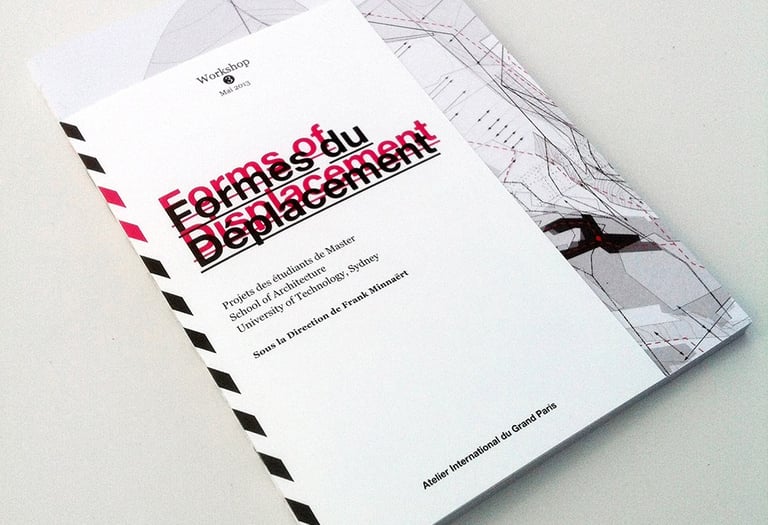
Formes du déplacement - Forms of displacement
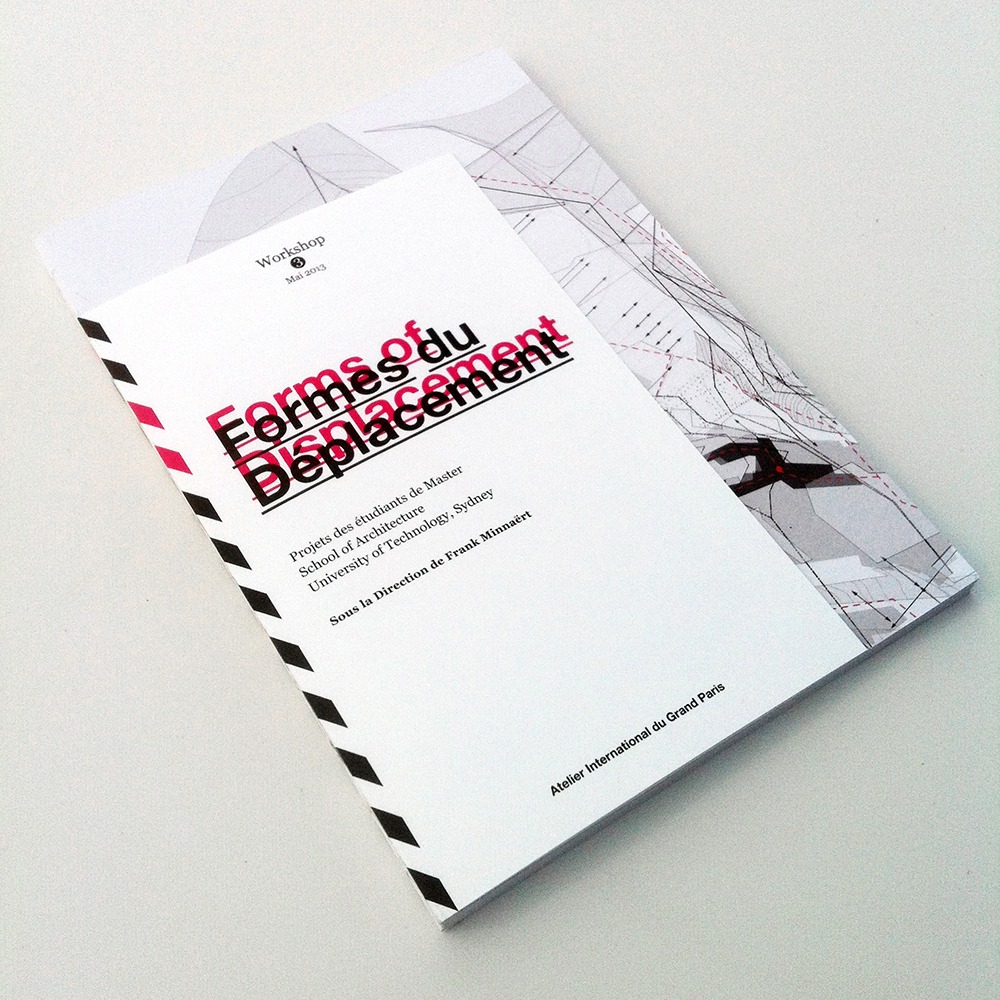
Frank Minnaërt, Formes du déplacement - Forms of displacement, Paris, Atelier International du Grand Paris, 2014
Edition bilingue Français-Anglais
ISBN: 978-0-9775325-6-8
Issue d’une collaboration entre l’Atelier International du Grand Paris et Frank Minnaërt, enseignant chercheur à l’École d’Architecture de l’University of Technology, Sydney (UTS) de 2007 à 2013, cette publication présente les projets expérimentaux des étudiants du Master « Forms of Displacement_Paris » à UTS. Elle les met en perspective dans le cadre de la recherche sur les environnements hybrides poursuivie par leur enseignant. Ces projets viennent interroger le contexte généré par la construction des nouvelles gares du Grand Paris Express et prennent appui sur le site et le programme de la gare de Rueil-Suresnes-Mont-Valérien de la future ligne 15 du métro du Grand Paris.
La méthodologie de travail développée par Frank Minnaërt propose d’expérimenter des stratégies et des techniques de déplacement pour la production d’environnements hybrides fusionnant réseaux de transport, architecture, paysage et espaces collectifs. Il est question de déplacement des personnes, des biens et de l’information mais surtout du déplacement de la pensée et du process entrainant dans son mouvement programme, limite et identité. Dans un contexte où espaces, modes de transport et programmes sont hétérogènes, les nouveaux environnements hybrides sont conçus comme des outils de négociation et des scénarios possibles pour répondre aux effets – secondaires – du développement des transports urbains.
CONTACT
contact@studiominnaert.com

©2026 STUDIO MINNAERT